Fostering an Older Child or Teenager in Virginia: What to Expect

Many people interested in fostering picture a baby or young child. In Virginia, teenagers in foster care can wait longer because fewer homes are open to them, even though they need the same safety and care as younger children. Fostering teens is a serious commitment, and it is not right for every household. This guide offers an honest look at what it involves and what support is available.
Fostering a teenager means welcoming a young person who already has opinions, memories, routines, and a history with adults. Your time together may feel shorter, so connection often grows through respect rather than authority. Because many agencies struggle to find homes for teens, a steady and prepared adult can meet a real need while learning alongside the young person.
Teenagers in Foster Care Wait the Longest
Frequently, when families explore fostering, they ask about babies and younger children. That leaves fewer homes for teenagers. The older child may wait while a team searches for a household that can meet their needs and keep them connected to school, friends, and family when safe.
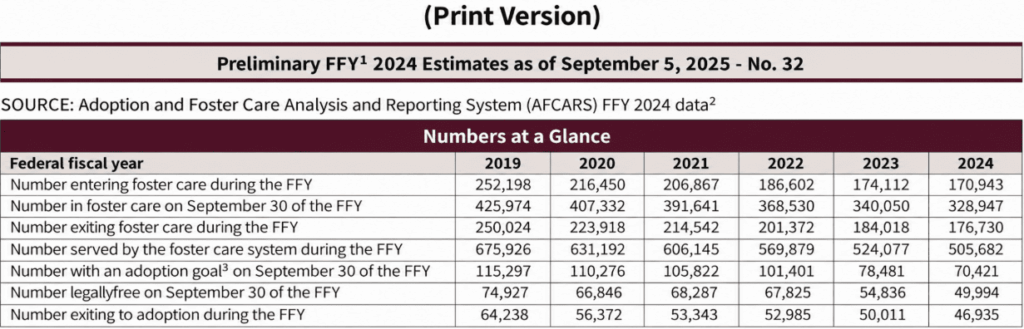
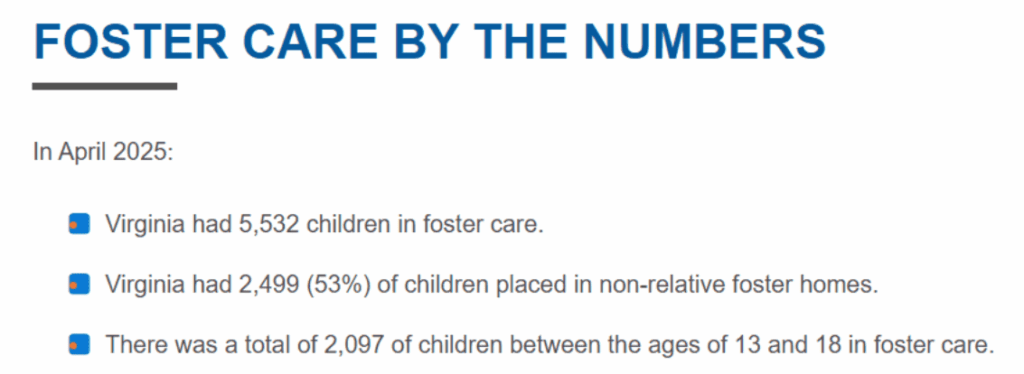
The 2024 AFCARS Dashboard groups ages differently from the older 13-to-19 statistic, so it does not give an exact percentage for that same range. It reports 38% of children were between 11 and 17 nationwide in foster care. In Virginia, a Foster Virginia snapshot from April 2025 counted 2,097 young people ages 13 to 18 in care. Older youth are a significant part of the foster care population, not a rare exception.
Why Most Families Ask for a Younger Child
Concerns about caring for a teenager deserve a real answer. Some worry that a teen may show difficult behavior, break rules, or take longer to trust. Others fear that painful experiences have shaped the young person’s life so much that a new family cannot make a difference. Some wonder whether a few months or years can matter when a teen is close to adulthood.
These worries are understandable, but they do not tell the whole story. Teenagers are not alike, and no one can predict a young person by age or history alone. Some placements will be hard. A stable adult cannot erase the past, but can offer safety, honest communication, and care. The Up Center has an article addressing this, which you can read here: Common Misconceptions About Foster Care.
What Fostering a Teenager Actually Involves
Foster teens bring their own interests, friendships, strengths, worries, and ways of handling stress. Your job is not to change who they are. It is to provide a safe home, learn what helps them feel secure, and work with their support team. Early progress may come through listening rather than big changes.
The First Weeks Look Different
A teenager may arrive with a formed view of adults and the foster care system, shaped by earlier homes or broken promises. They might be quiet, guarded, angry, polite, or eager to seem as if they need nothing. Give them time to settle without demanding closeness or gratitude.
Distance is not always rejection. A young person may be watching to see whether you stay calm, respect privacy, and do what you say. They may test a limit because they need to know what will happen next. Early cooperation does not automatically mean trust; a teen can follow rules and still feel unsure of the adults around them. Focus on being predictable, learning preferences, and keeping small promises.
Authority Does Not Transfer, Respect Does
When fostering a teenager, you are responsible for safety, but authority alone will not build a relationship. A teen can question decisions, notice unfairness, and remember how adults speak. Influence grows when you explain your reasons and hear their view, even if the final answer stays the same.
Instead of making every rule non-negotiable, agree on routines where possible: guest plans, shared spaces, or check-in times. If you disagree, avoid turning the conversation into a contest. Explain your concern, hear the teen’s view, and pause if either of you is too upset. You still set safety limits, while showing that their voice matters.
Boundaries Without a Power Struggle
A few clear rules are more useful than a long list of restrictions. Be direct about safety, respect, school, and checking in when plans change. Explain each limit, agree on what can be negotiated, and apply rules consistently. Talk about changes before a problem grows when possible.
Letting a teen choose small things (clothes, room details, meals, free time) can help you hold firm on major safety issues. Do not treat every disagreement as defiance. A consequence should connect to what happened and help repair it; taking away warmth or belonging damages trust rather than teaching a skill. If unsure how to respond, call the caseworker before a conflict escalates.
School, Work and the Clock
A teenager’s daily needs can involve extra planning. They may need help transferring school records, catching up on credits, finding tutoring, or arranging school support. A move can also mean leaving teachers, teams, or friends who helped them feel steady. Ask what they want to keep and involve the caseworker and school staff early.
Other milestones may arrive quickly: a first job, a paycheck to manage, a driver’s license, or college and trade applications. A teen may not have an adult who can explain forms, deadlines, fees, or how to ask for help. You do not need every answer. Sit beside them, break a task into steps, and connect them with the right person. For a foster teen, these moments can build confidence.
What You Get That You Do Not Get With a Younger Child
Teens can often explain what matters to them, what they want to learn, and what support feels helpful. You may be able to talk through decisions instead of guessing. Their humor, opinions, music, and plans can become part of family life in ways that feel like sharing a home, not starting from the beginning.
There will be hard days, and a teen may not show appreciation as an adult expects. The reward is not a quick transformation. It may be seeing them ask for help, return after an argument, try something new, or share a private worry. Small signs of connection count, even when progress is uneven.
The Relationship Does Not End at Eighteen
A placement has an official plan and timeline, but the connection may continue beyond it. Many young people stay in touch with adults who treated them with respect and kept showing up. For more on support as young people move toward adulthood, read The Up Center’s guide to youth aging out of the system.
The Support That Comes With the Placement
You are not expected to handle every challenge alone. The Up Center prepares foster parents before placement and remains available as needs change. Families in Hampton Roads can ask questions, work through hard moments, and get help planning next steps.
- Training and guidance: Learn practical, trauma-informed ways to support a young person and keep building your skills through foster care with The Up Center.
- Youth-centered support: Explore youth centered care and ways to help a young person feel heard in decisions that affect them.
- Mentoring: Team Up mentoring connects young people with added encouragement and guidance.
- Mental health resources: Find practical ideas for how to support a foster child’s mental health.
- Ongoing casework and respite: Your placement team can help you talk through concerns, understand next steps, and ask about options for a break when you need one. Ask your caseworker what is available for your household and the young person in your care.
Older Siblings and Sibling Groups
Older children may be placed with younger brothers or sisters rather than alone. This can mean meeting different needs at once and helping each child feel seen as an individual, while also protecting their bond with one another. Learn more about keeping sibling groups together.
Are You Ready to Foster a Teenager?
You do not need to feel certain about every part of fostering before you ask questions. It can help to think honestly about a few things:
- Can you stay patient if a teen does not trust you or like your rules at first?
- Can you set a limit without raising the stakes or needing to have the last word?
- Can you make room for a young person’s culture, relationships, interests, and preferences, even when they differ from yours?
- Do you have a trusted person or support network you can lean on when the week gets hard?
These are reflection questions, not a test. A hesitant answer may show where you need more information or support. Training and conversations with the agency can help you decide whether your household is ready now, needs to prepare, or may be better matched with another placement.
Fostering Teens in Southeastern Virginia
Virginia’s foster parent requirements are broader than many people expect, and preparation for a teen placement is part of the process. Families interested in fostering older children in Virginia (including Norfolk, Virginia Beach, Chesapeake, and other Hampton Roads communities) can learn how to foster a teenager and review foster parent requirements in Virginia. Visit foster care with The Up Center or start your foster care journey to discuss questions and next steps.
Frequently Asked Questions
Yes, you can foster a teenager, and agencies often have a hard time finding enough homes for older youth. The basic steps include meeting Virginia’s approval requirements, completing training and a home study, and working with the agency to find a suitable match. The article above explains what a teen placement may involve and what support to ask about.
There is no single best age to foster; the right match depends on the child’s needs and what your household can offer. Think about the space, time, support, and routines you have, as well as the age range you feel prepared for. An agency can help you explore a match without ranking one age group above another.
Two common challenges are building trust with a young person who has had difficult experiences and helping them catch up or stay on track at school. Some things may be easier than with a young child: teens can often explain what they need and take part in decisions. Every young person is different, so preparation matters.
Use clear, related limits and calm follow-through instead of punishment that breaks connection. Explain the safety concern, listen to the teen’s view, and agree on what needs to change. Avoid threats, humiliation, or withdrawing affection. The boundaries section above offers examples of rules that protect safety while giving a teenager a voice.
Teen placements vary widely; there is no standard timeline that applies to every young person. The plan depends on the child’s needs, court decisions, family circumstances, and available next steps. Some placements are brief, while others last longer. The caseworker should explain what is known, what is still uncertain, and how updates will be shared.
No, previous parenting experience is not required in every case. Foster parent training helps prepare you for common situations, and ongoing guidance can help when something unexpected comes up. Patience, consistency, a willingness to listen, and the ability to ask for help are important. You can discuss concerns with the agency before deciding.