


PTSD Isn’t Just a Military Issue: Understanding Trauma and Healing

When many people hear the term PTSD, they picture a military veteran returning home from combat.
And while military service can increase the risk of trauma, post-traumatic stress disorder (PTSD) is not something experienced only by service members.
PTSD can affect anyone.
A serious car accident. Abuse or neglect. Domestic violence. The loss of a loved one. Medical trauma. Community violence. A frightening experience that changes how someone feels safe in the world.
During National PTSD Awareness Month, it is important to recognize that trauma can affect people from all walks of life, and healing looks different for everyone.
Most importantly, support is available.
What Is PTSD?
PTSD is a mental health condition that can develop after someone experiences or witnesses a traumatic event.
After something traumatic happens, it is normal to feel stress, fear, sadness, or anxiety for a period of time. But when symptoms continue, interfere with daily life, or make it hard to feel safe or connected, it may be a sign of PTSD.
PTSD is more common than many people realize, and it does not always look the way people expect.
Some individuals experience symptoms soon after trauma. Others may not recognize signs until months or even years later.
Signs of PTSD
PTSD can affect emotions, relationships, physical health, and everyday routines.
Some common signs include:
- Trouble sleeping or frequent nightmares
- Feeling anxious, tense, or constantly “on alert”
- Avoiding people, places, or conversations connected to difficult memories
- Irritability, anger, or emotional outbursts
- Difficulty concentrating
- Feeling emotionally numb or disconnected from loved ones
- Flashbacks or intrusive memories
Not everyone experiences PTSD the same way.
Some people withdraw. Others become overwhelmed, angry, or emotionally exhausted. Children may show signs differently than adults.
That is one reason PTSD can sometimes go unnoticed.
Why Military Families Face Unique Challenges
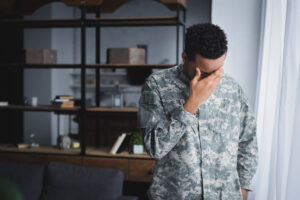
Although PTSD is not exclusive to military service, military-connected individuals often experience unique stressors tied to service, deployment, and transition.
Combat exposure, military sexual trauma, repeated separations, high-stress environments, and the challenges of returning to everyday life can all affect mental health.
Military spouses, partners, and children can also feel the impact. A loved one may seem distant, irritable, or disconnected. Family routines may change. Communication may become harder.
For military families, trauma often affects the entire household, not just one individual.
That is why specialized support matters.
The Steven A. Cohen Military Family Clinic at The Up Center provides confidential, high-quality mental health care tailored to the unique experiences of military life.
The Cohen Clinic serves:
- Active-duty service members
- Veterans
- National Guard and Reserve members
- Military spouses and partners
- Children and caregivers in military families
The clinic provides support for PTSD, anxiety, depression, grief, family stress, relationship challenges, and more.
Military life comes with unique experiences, and having clinicians who understand those realities can make a meaningful difference in the healing process.
Learn more about the Cohen Clinic:
Steven A. Cohen Military Family Clinic at The Up Center
Support Beyond the Military Community
Because PTSD can affect anyone, access to mental health care matters for the entire community.
At The Up Center, mental health support extends beyond military families through counseling and behavioral health services designed to meet people where they are.
Whether someone is experiencing anxiety, depression, trauma, substance use challenges, grief, or major life stressors, seeking support can help individuals and families build healthy coping skills and move toward healing.
The Up Center offers outpatient counseling and mental health services for children, adults, and families, helping people navigate challenges in a safe, supportive environment.
Explore mental health services: The Up Center Mental Health Services
Breaking the Stigma Around Mental Health

For many people, asking for help can feel difficult.
Some worry they should “just move on.” Others fear being judged or misunderstood.
But healing does not happen by ignoring pain.
Seeking support is not weakness. It is a step toward healing.
PTSD is treatable, and no one should feel like they have to manage trauma alone.
Healing Is Possible
Trauma can change how people see themselves, others, and the world around them. But trauma does not have to define someone’s future.
With the right support, healing is possible.
This National PTSD Awareness Month, take time to learn the signs of PTSD, check in on loved ones, and remember that support exists for military families and civilians alike.
At The Up Center, we are committed to walking alongside individuals and families through prevention, intervention, and support because no one should have to navigate trauma alone.
Additional PTSD resources:
National Center for PTSD (U.S. Department of Veterans Affairs)